

Overview of the Bangkok Rental Market in 2026
If you’re planning to rent condo Bangkok, understanding the current market conditions will help you negotiate better deals and choose the right area.
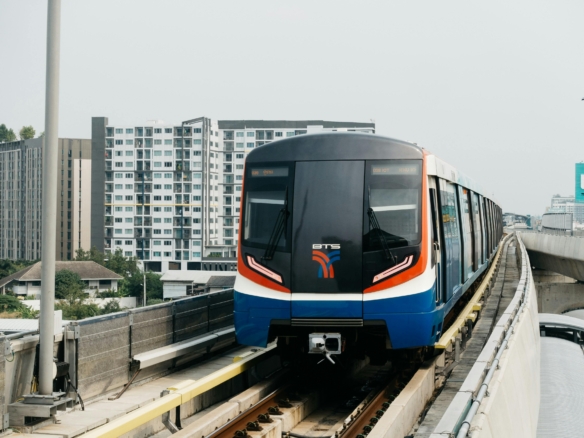
In 2026, rental demand in Bangkok remains strong, especially in neighborhoods near BTS and MRT stations. Expats, digital nomads, foreign professionals, and international students continue to drive demand for 1-bedroom condos in central locations.
Key trends this year:
- High demand for condos under 25,000 THB/month
- Premium pricing within 300m of BTS stations
- Strong competition for modern buildings with co-working spaces
- Negotiation still possible for 12-month leases
If you’re renting in Bangkok as a foreigner, location and building quality matter just as much as price.

Condo vs Apartment vs House: What Should You Rent?
Many foreigners use these terms interchangeably — but they’re different in Thailand.
What Is a Condo?
A condominium is an individually owned unit within a larger building. Most expats choose condos because they typically offer:
- Swimming pool
- Gym
- 24-hour security
- Keycard access
- Parking
You negotiate directly with the owner or their agent.
Best for: Professionals, couples, remote workers.
What Is an Apartment?
An apartment building is owned by a single company or landlord. Units are usually more uniform and sometimes slightly simpler in finish.
Pros:
- Easier paperwork
- Sometimes flexible lease terms
Cons:
- Less room for negotiation
- Facilities may be limited
Renting a House or Townhouse
Houses offer more space but are usually located further from central transport lines.
Best for:
- Families
- Long-term residents
- Those needing multiple bedrooms
For most people searching “rent condo Bangkok,” a condominium offers the best balance of lifestyle and convenience.
How Much Does It Cost to Rent a Condo in Bangkok?
Prices vary depending on proximity to transit, building age, and neighborhood.
Central Areas (Asok, Thonglor, Sathorn)
- Studio: 15,000 – 22,000 THB
- 1 Bedroom: 18,000 – 35,000 THB
- 2 Bedroom: 35,000 – 70,000+ THB
Mid-City Areas (On Nut, Ari, Phra Khanong)
- Studio: 10,000 – 15,000 THB
- 1 Bedroom: 13,000 – 22,000 THB
- 2 Bedroom: 25,000 – 40,000 THB
Outer Areas (Bang Na, Ladprao, Ratchada)
- Studio: 7,000 – 12,000 THB
- 1 Bedroom: 9,000 – 18,000 THB
- 2 Bedroom: 18,000 – 30,000 THB
Units within walking distance of BTS stations command a noticeable premium.
Lease Terms Explained: What Foreigners Must Know
If you’re renting in Bangkok as a foreigner, lease structure is very important.
Standard 12-Month Lease
The most common agreement is a 12 month lease Bangkok contract.
Typical terms include:
- Fixed 12-month commitment
- Early termination penalty (usually loss of deposit)
- No subletting allowed
- Maintenance responsibilities outlined
Shorter 6-month leases may be available but often at higher monthly rent.
What Is Included in a Lease Agreement in Thailand?
A standard lease agreement Thailand should clearly state:
- Monthly rental amount
- Payment due date
- Security deposit amount
- Contract duration
- Inventory list
- Repair responsibilities
- Early termination clause
Always request an English version if you do not read Thai.
Security Deposit & Upfront Costs
In most cases, you’ll pay:
- 2 months security deposit Thailand
- 1 month rent in advance
This is commonly called the “2 + 1” structure.
Example
If rent is 20,000 THB per month:
- 40,000 THB deposit
- 20,000 THB first month rent
- Total upfront = 60,000 THB
Deposits are refundable at the end of the lease if there is no damage beyond normal wear and tear.
Utilities, Bills & Hidden Costs
Before signing, confirm what is included in rent.
Typical additional costs:
- Electricity (usually government rate around 4–6 THB per unit)
- Water (low cost but varies by building)
- Internet (500–1,200 THB/month)
- Cleaning services
- Parking fees in some buildings
Some apartment buildings charge higher electricity rates than government rate — always confirm this before signing.
Common Mistakes Expats Make When Renting in Bangkok
Avoid these costly mistakes:
1. Not Visiting the Unit in Person
Photos can be outdated. Check noise levels, airflow, and natural lighting.
2. Ignoring Commute Time
Traffic in Bangkok can significantly increase travel time. Always check walking distance to BTS or MRT stations.
3. Not Negotiating the Rent
Many landlords will reduce rent by 5–10% for a confirmed 12-month lease.
4. Skipping the Inventory Check
Take photos and videos during move-in to protect your security deposit.
5. Overlooking Building Age
Older buildings may have lower rent but higher maintenance issues.
Step-by-Step: How to Rent a Condo in Bangkok
- Search listings based on budget and preferred area
- Schedule 2–4 property viewings
- Compare building quality and facilities
- Negotiate rent and lease terms
- Review lease agreement carefully
- Pay deposit and first month rent
- Conduct full move-in inspection
FAQ: Renting a Condo in Bangkok
Can foreigners legally rent property in Bangkok?
Yes. Foreigners can legally sign lease agreements in Thailand without owning property.
How much security deposit is required?
Most landlords require two months’ rent as a security deposit.
Are utilities included in the rent?
Usually not. Electricity, water, and internet are typically paid separately.
Can I break a 12-month lease early?
Typically, breaking a lease early results in losing your security deposit unless a special clause was negotiated.
Final Thoughts
Renting in Bangkok as a foreigner doesn’t need to be complicated — but understanding pricing, lease terms, and deposit structures will help you avoid common mistakes.
If you’re ready to rent condo Bangkok, start by narrowing down your preferred neighborhoods and budget, then schedule viewings quickly — well-priced units move fast.

Join The Discussion